Top 5 Features to Look for in a New Boiler
Choosing a new boiler is one of the most important decisions you’ll make for your home’s comfort and running costs.

Why you can trust our content
We understand that the boiler industry can be confusing, with plenty of outdated or misleading information. That’s why we rely only on trusted, proven sources to guide our advice and installations:
With so many models on the market, it can be genuinely difficult to know what separates a reliable, long-lasting unit from one that simply looks good on paper. Whether your current boiler is on its last legs or you’re planning ahead, knowing which features matter will actually save you time, money and no small amount of frustration further down the line.
This guide breaks down the five features that are most worth prioritising when you’re in the market for a new boiler.
If you’d like tailored advice before making any decisions, you’re welcome to request a quote from Pettifer Plumbing & Heating.
Does Energy Efficiency Rating Really Make a Difference?
In short, yes. The ErP (Energy-related Products) rating system is the current standard used across the UK and Europe to grade boiler efficiency. Modern condensing boilers should carry an A-rated classification, meaning they convert the vast majority of fuel into usable heat with minimal waste.
Older G-rated boilers are significantly less efficient, and the difference in running costs over a full heating season can be notable. When comparing new boilers, always check the ErP rating displayed on the product literature. An A-rated boiler will consistently outperform a lower-rated unit across its lifespan, making this one of the most practical features to prioritise.
Smart Controls Compatibility
Boilers that work seamlessly with smart thermostats and heating controls give homeowners a genuine advantage. Rather than heating your home on a fixed schedule, smart-compatible systems allow you to adjust temperatures remotely, set zone-by-zone programmes and respond to your actual routine rather than a one-size-fits-all timer.
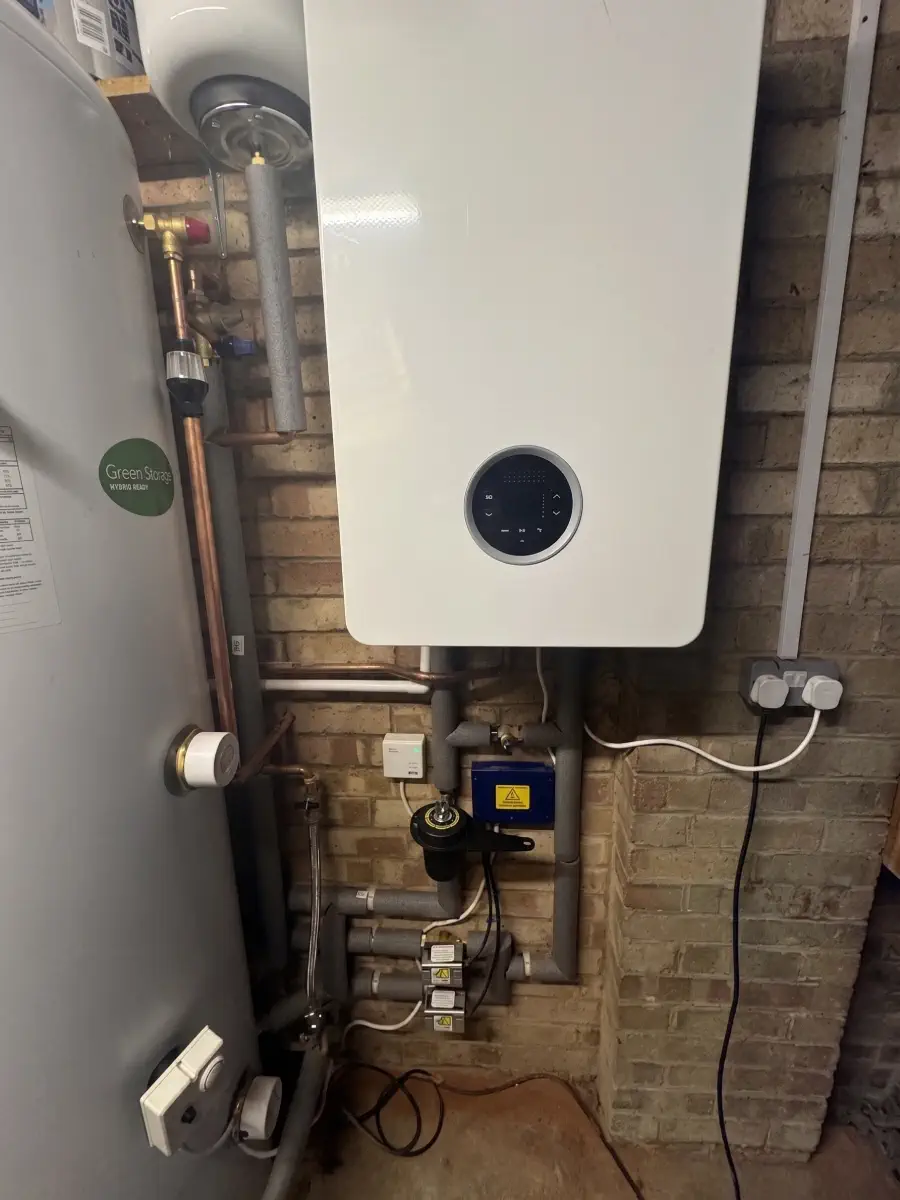
Look for a new boiler that supports weather compensation technology as well. This allows the system to automatically adjust its output based on outdoor temperature conditions, maintaining consistent warmth without unnecessary energy use. Many leading manufacturers, including Worcester Bosch and Vaillant, now build this compatibility in as standard on their mid-range and premium models.
Which fuel powers your boiler?
Mains Gas
LPG
Oil
It just takes 60 Seconds
And then you can book a free consultation
What Boiler Type Is Right for Your Property?
The type of boiler you choose should be matched to your property’s size, layout and hot water demand. There are three main types to consider:
- Combi boilers heat water directly on demand and don’t require a separate hot water cylinder or cold water tank, making them well-suited to smaller homes and flats
- System boilers work with a separate hot water cylinder and are a better fit for homes with multiple bathrooms
- Regular (heat-only) boilers suit older properties with traditional heating setups, particularly where a gravity-fed system is already in place
Choosing the wrong boiler type for your home’s demand can result in poor hot water pressure, slow recovery times or unnecessarily high running costs. This is why a proper property assessment before a new boiler installation in Enfield is always recommended rather than simply replacing like-for-like.
Or, in a simple visual table format:
|
Boiler Type |
Best Suited For |
Hot Water Storage Needed |
Space Required |
|---|---|---|---|
|
Combi |
Smaller homes, flats, one bathroom |
No |
Compact |
|
System |
Larger homes, multiple bathrooms |
Yes (cylinder) |
Moderate |
|
Regular |
Older properties, gravity-fed systems |
Yes (cylinder and tank) |
More substantial |
Reliability and Manufacturer Reputation
A boiler is a long-term investment, and brand reputation matters more than most people realise when something eventually goes wrong. Established manufacturers with strong aftermarket support, widely available spare parts and proven track records offer real peace of mind.
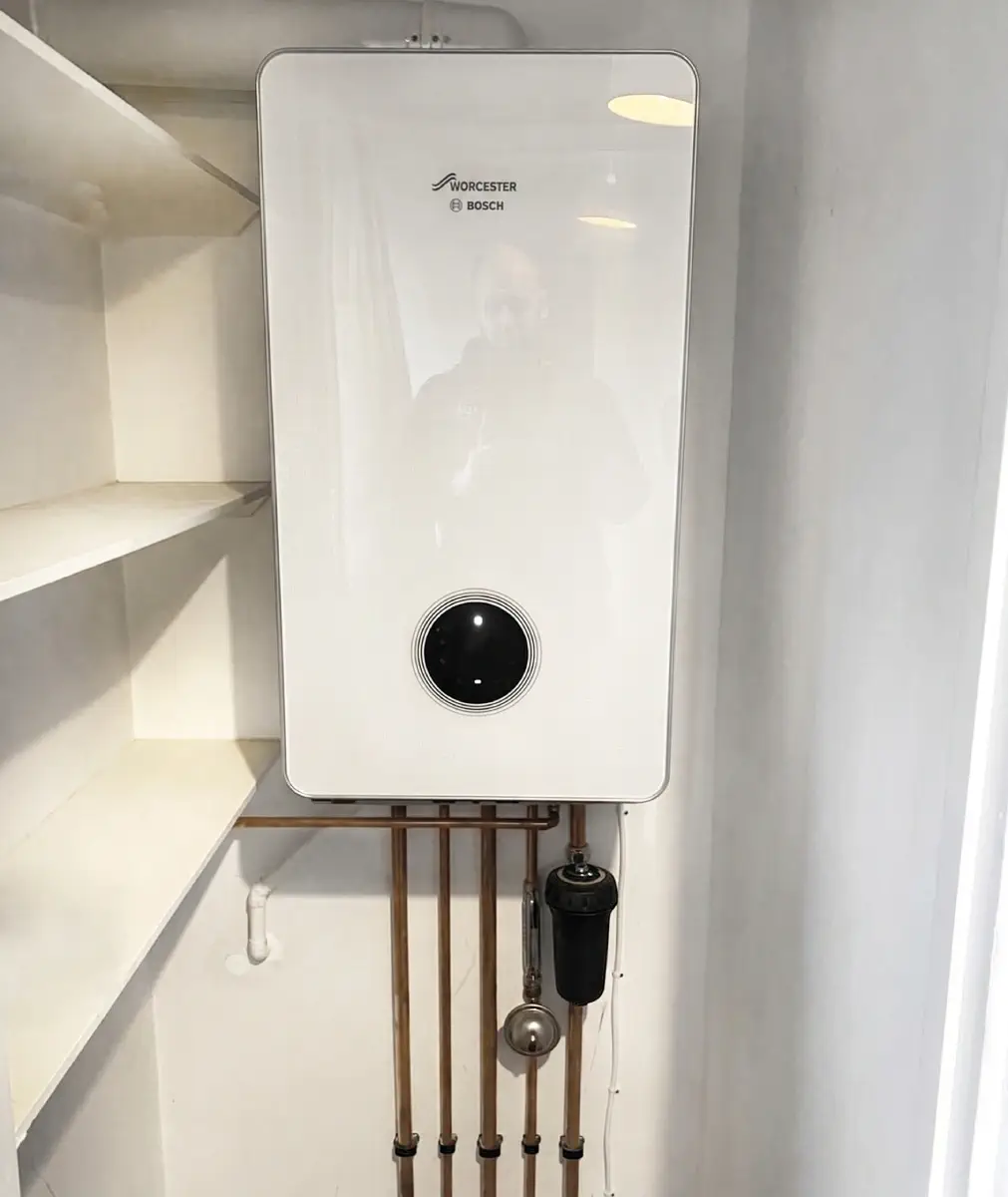
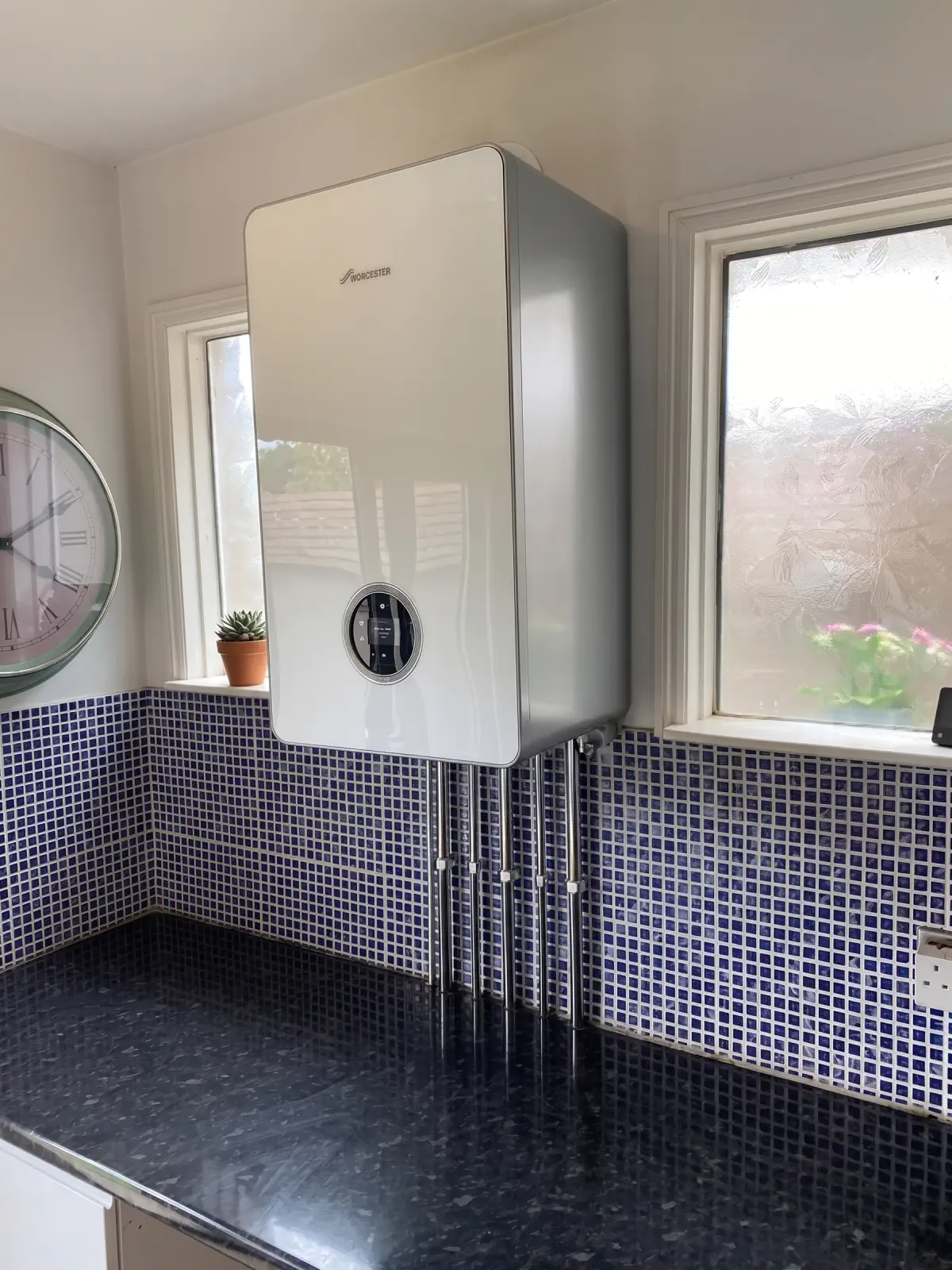
Worcester Bosch is consistently rated among the most reliable brands in the UK market and is Pettifer’s primary recommendation for most domestic properties. Vaillant provides an excellent mid-range option with strong engineering credentials, while Ideal offers dependable performance at a more accessible price point. Choosing a reputable brand also means your boiler fitter in Enfield will have detailed product knowledge, making any future servicing or fault-finding far more straightforward.
Speak to a qualified heating engineer to discuss which brand and model best suit your property and budget.
What Warranty Cover Should You Expect?
Warranty terms vary considerably between manufacturers and models. Premium boilers from leading brands typically offer more comprehensive cover periods, which reflects the confidence manufacturers have in their own products. It’s worth understanding exactly what a warranty includes before committing.
Key questions to ask about any boiler warranty:
- Does it cover parts and labour, or parts only?
- Is the warranty contingent on annual servicing by a registered Gas Safe engineer?
- Does it transfer if you sell the property?
- Can it be extended beyond the standard term?
Always ensure your boiler is fitted by a Gas Safe registered engineer, as this is a requirement for the warranty to remain valid and for the installation to be legally compliant under UK building regulations.
Final Thoughts
The five features covered here, from ErP efficiency ratings to warranty terms, smart controls and brand reputation, give you a solid foundation for making an informed decision. The right boiler for your home depends on more than just price. Taking time to get the specification right from the outset will pay dividends across the life of the system.
For expert guidance on new boiler installation in Enfield and the surrounding Hertfordshire area, get in touch with Pettifer Plumbing & Heating today to request your bespoke quote.
Related articles

Which fuel powers your boiler?
Mains Gas
LPG
Oil
At a glance
With so many models on the market, it can be genuinely difficult to know what separates a reliable, long-lasting unit from one that simply looks good on paper. Whether your current boiler is on its last legs or you’re planning ahead, knowing which features matter will actually save you time, money and no small amount of frustration further down the line.
This guide breaks down the five features that are most worth prioritising when you’re in the market for a new boiler.
If you’d like tailored advice before making any decisions, you’re welcome to request a quote from Pettifer Plumbing & Heating.
Does Energy Efficiency Rating Really Make a Difference?
In short, yes. The ErP (Energy-related Products) rating system is the current standard used across the UK and Europe to grade boiler efficiency. Modern condensing boilers should carry an A-rated classification, meaning they convert the vast majority of fuel into usable heat with minimal waste.
Older G-rated boilers are significantly less efficient, and the difference in running costs over a full heating season can be notable. When comparing new boilers, always check the ErP rating displayed on the product literature. An A-rated boiler will consistently outperform a lower-rated unit across its lifespan, making this one of the most practical features to prioritise.
Smart Controls Compatibility
Boilers that work seamlessly with smart thermostats and heating controls give homeowners a genuine advantage. Rather than heating your home on a fixed schedule, smart-compatible systems allow you to adjust temperatures remotely, set zone-by-zone programmes and respond to your actual routine rather than a one-size-fits-all timer.
Look for a new boiler that supports weather compensation technology as well. This allows the system to automatically adjust its output based on outdoor temperature conditions, maintaining consistent warmth without unnecessary energy use. Many leading manufacturers, including Worcester Bosch and Vaillant, now build this compatibility in as standard on their mid-range and premium models.
Which fuel powers your boiler?
Mains Gas
LPG
Oil
It just takes 60 Seconds
And then you can book a free consultation
What Boiler Type Is Right for Your Property?
The type of boiler you choose should be matched to your property’s size, layout and hot water demand. There are three main types to consider:
- Combi boilers heat water directly on demand and don’t require a separate hot water cylinder or cold water tank, making them well-suited to smaller homes and flats
- System boilers work with a separate hot water cylinder and are a better fit for homes with multiple bathrooms
- Regular (heat-only) boilers suit older properties with traditional heating setups, particularly where a gravity-fed system is already in place
Choosing the wrong boiler type for your home’s demand can result in poor hot water pressure, slow recovery times or unnecessarily high running costs. This is why a proper property assessment before a new boiler installation in Enfield is always recommended rather than simply replacing like-for-like.
Or, in a simple visual table format:
|
Boiler Type |
Best Suited For |
Hot Water Storage Needed |
Space Required |
|---|---|---|---|
|
Combi |
Smaller homes, flats, one bathroom |
No |
Compact |
|
System |
Larger homes, multiple bathrooms |
Yes (cylinder) |
Moderate |
|
Regular |
Older properties, gravity-fed systems |
Yes (cylinder and tank) |
More substantial |
Reliability and Manufacturer Reputation
A boiler is a long-term investment, and brand reputation matters more than most people realise when something eventually goes wrong. Established manufacturers with strong aftermarket support, widely available spare parts and proven track records offer real peace of mind.
Worcester Bosch is consistently rated among the most reliable brands in the UK market and is Pettifer’s primary recommendation for most domestic properties. Vaillant provides an excellent mid-range option with strong engineering credentials, while Ideal offers dependable performance at a more accessible price point. Choosing a reputable brand also means your boiler fitter in Enfield will have detailed product knowledge, making any future servicing or fault-finding far more straightforward.
Speak to a qualified heating engineer to discuss which brand and model best suit your property and budget.
What Warranty Cover Should You Expect?
Warranty terms vary considerably between manufacturers and models. Premium boilers from leading brands typically offer more comprehensive cover periods, which reflects the confidence manufacturers have in their own products. It’s worth understanding exactly what a warranty includes before committing.
Key questions to ask about any boiler warranty:
- Does it cover parts and labour, or parts only?
- Is the warranty contingent on annual servicing by a registered Gas Safe engineer?
- Does it transfer if you sell the property?
- Can it be extended beyond the standard term?
Always ensure your boiler is fitted by a Gas Safe registered engineer, as this is a requirement for the warranty to remain valid and for the installation to be legally compliant under UK building regulations.
Final Thoughts
The five features covered here, from ErP efficiency ratings to warranty terms, smart controls and brand reputation, give you a solid foundation for making an informed decision. The right boiler for your home depends on more than just price. Taking time to get the specification right from the outset will pay dividends across the life of the system.
For expert guidance on new boiler installation in Enfield and the surrounding Hertfordshire area, get in touch with Pettifer Plumbing & Heating today to request your bespoke quote.